
Embracement is a strong word that requires a huge leap of sacrifice and dedication. To embrace is to endure the pain of differences and negativity. Embracement also includes defending from outside interference and opinion. In an inter-religious community, embracement is the first step for an interfaith relationship.
However, embracement is hard to maintain. The probability of prejudice in an inter-religious community is high. In a religion-oriented society, religious topics are highly sensitive and can be deeply offensive. Maintaining a peaceful and harmonious inter-religious community is a source of pride.
Such a community exists in one village in Indonesia. The community of Winong in Pati, Central Java, has exemplified inter-religious praxis for over twenty years. To describe the environment, a church and a mosque stand face to face. Local Muslims were inspired by the coexistence of a church and a mosque in Jakarta, which led them to buy this land from the church.
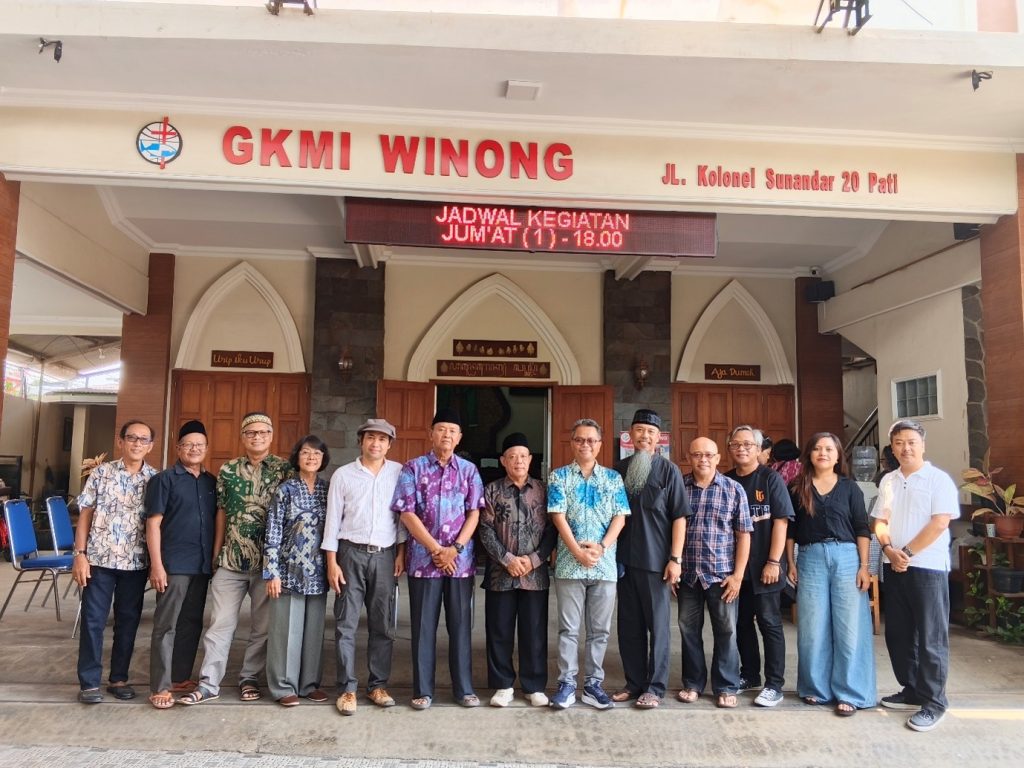
Behind the scenes, the Muslim leaders have a religious ideology of being righteous to God and then to humans. They believe religion is about how individuals relate to God, but the relationship between religion and humans, and between humans, is about sociology. Another leader in the group also says, “No missionary, but only brotherhood.”
Likewise, a Christian pastor shared his religious ideology, and his motto is “My neighbor is my brother.” Based on this neighborhood concept, he defined his mission as God’s plan for this society, especially between Christians and Muslims. His ultimate mission is “to make shalom and happiness for others in this community”. He deeply considers religious symbols, such as churches and dress, that can reflect the brotherhood in Javanese philosophy. Therefore, he built a church that includes a symbol of brotherhood, and he wears only traditional dress to advocate the view that Christianity is not a Western religion.
A church and a mosque (masjid) standing side by side, connected by a canopy, is truly astonishing. They practically embrace each other with understanding and acceptance. They are a living witness to interfaith relationships- an ideal theory for every religious scholar.
Among the countless examples, the huge leap both parties took to work side by side is the most inspiring and impressive effort. Overcoming prejudice, setting aside pride, and choosing partnership is possible only through trust and faith. If we had to describe religious harmonization between these two religious communities in one word, it would be “brotherhood.” This ideology is the core principle in solving religious conflict and building solidarity.
The religious institutions have been together since 2001. Historically, the Pati society has been open-minded and tolerant, with no restrictions on building religious institutions within a shared community. Furthermore, community members have extensive experience accommodating multiple religions. This coexistence of two religions in a Muslim-majority society attracts local and international researchers studying religious harmonization and gives them an opportunity to advocate their ideology to the global community.
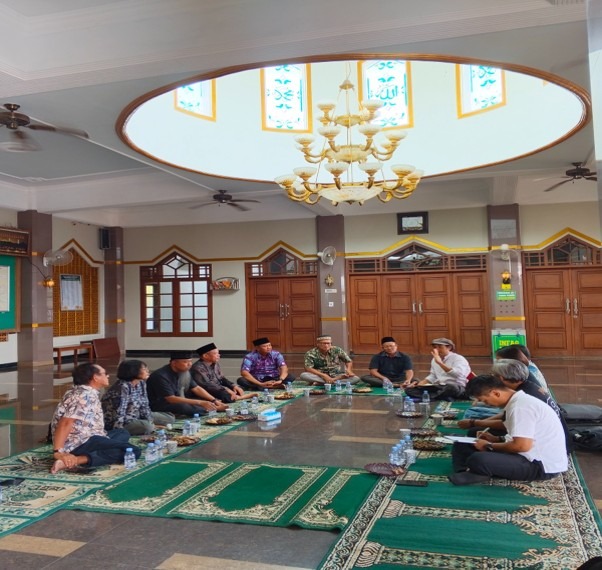
Another religious community in Jepara, the Dermolo community, has a different experience. It is a well-known fact that Indonesia is a Muslim-majority country. When one religion’s percentage is higher than others, it is likely to dominate the country politically, religiously, socially, and economically.
Basically, it means they hold the upper hand and are likely to be more powerful. Dermolo is a resilient community. The key point in the inter-religious encounter in Dermolo is persistence. Their enduring persistence led to a harmonious inter-religious community. Christians enduring the intolerance and Muslim humbling themselves in the face of prejudice, and Buddhist being the sole supporters of peace, resulted in a peaceful agreement of inter-religious coexistence in the community.
The church’s remarkable approach was to equip its members with discipleship and faithful followers to support their charismatic leader. They are proud of being an organic, self-helping establishment through the hardships of the religious freedom period. This experience molded them into a more united, solidary church.
Their efforts so far toward social harmony with the local Muslim community are recognizable, appreciated, and remarkable. The prevention of revenge by the pastor and church elderly groups, which was planned by the congregation when the local Muslim community prohibited them from worshiping and building the church, was a selfless action. Instead, they provided humanitarian aid to meet community members’ needs. This small action became a cornerstone for building common understanding and conducting broader interfaith dialogue between the two religious communities.
A challenge for the community: the community is in a fragile situation; it has relied on legal-based problem-solving in the past and lacks a systematic plan to produce a harmony-oriented generation in the current situation. The authorities settled the previous religious conflict without building common understanding between the two conflicting parties.
Although they are now escalating interfaith dialogues with the Muslim community, shaping people’s attitudes is a long process, and a desirable harmonious society will never come overnight. Next, this community needs a holistic program to heal their religious conflict trauma and maintain the current peaceful situation by creating more social integration programs for the next generation and educating local people on social harmonization.
*Lyn Yaung and Shalom Vanlalmawii contributed to this report, which is a reflection from a field trip to Muslim and Christian communities in Pati and Jepara (both in Central Java).